The most valuable data cannot be labeled in time to matter.
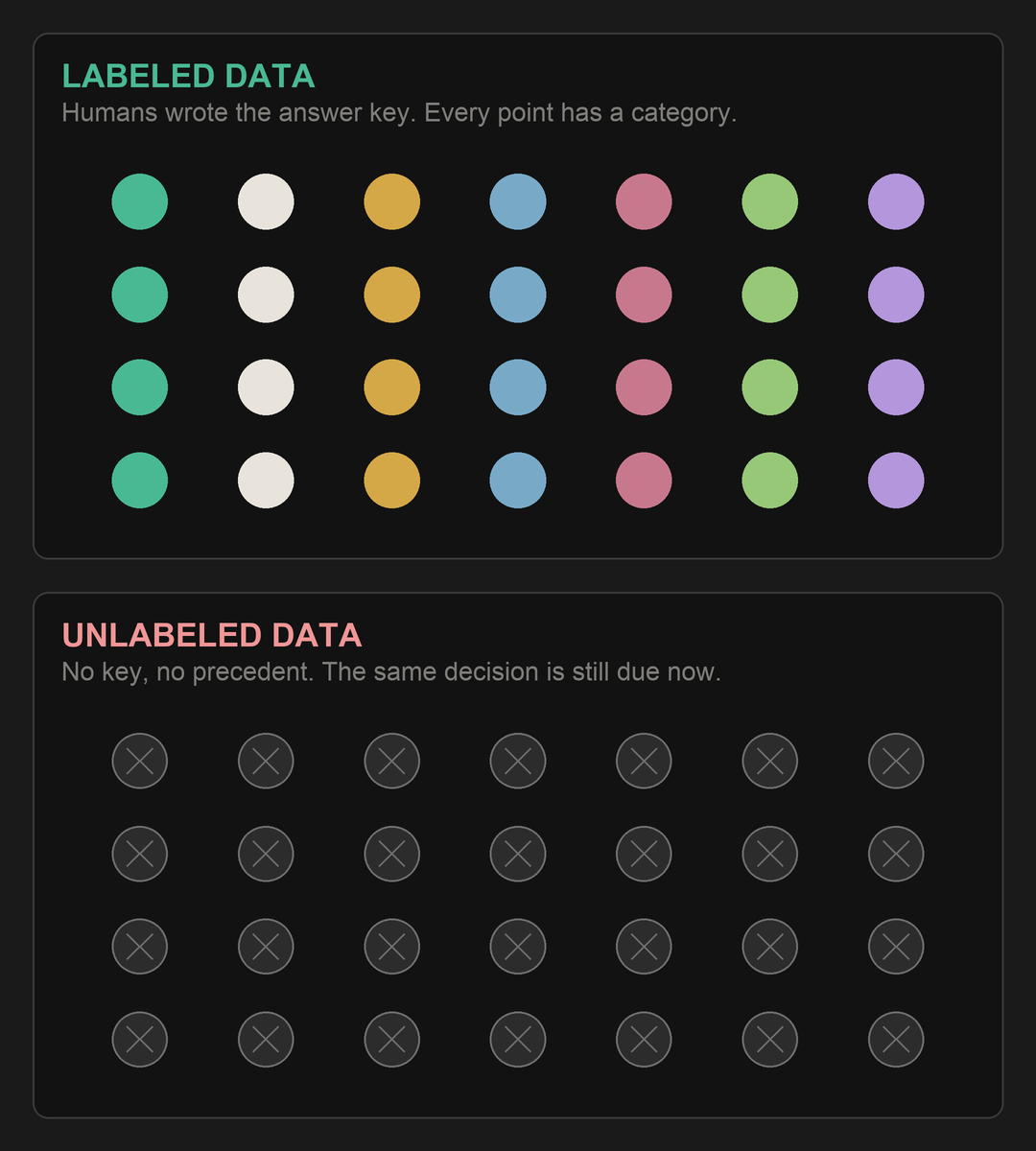
Machine learning needs homework
Humans must name attacks, tumors, and brain signals before software can act.
The moments that matter have no key
Zero-days, overnight neural drift, quantum answers past classical check, silent GPU faults.
Buyers already pay for the failure
Failed GPU clusters. Bad Quantum shots. Lost data and lawsuits from network attacks. Billions in lost revenue, opportunity, and stalled technology progress from systems that humans can't trust.
Nothing measures fidelity today
Anomaly scores guess. Supervised stacks wait for labels. Exhaustive check ends past ~50 qubits.
A label is a record of hindsight. High-stakes decisions are questions about right now.
VERITY isn’t built to look for bad or malicious data. It measures what NORMAL data looks like, and detects deviations from the norm.
Calibrates in seconds on unlabeled data flows, scores every new output, returns an auditable posture, and refuses to certify the data when it detects deviations from the baseline.
Calibrates to what “normal” looks like from the live system, not from a catalog of past attacks or labeled examples.
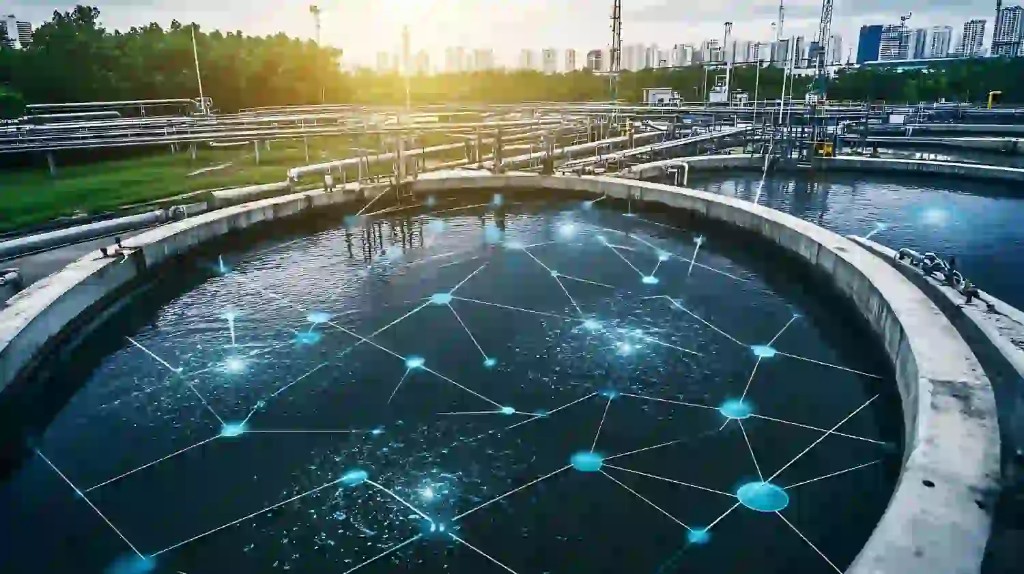
CPU-only. Air-gap capable. Runs inside water plants, power stations, and classified networks where data never leaves.
Regulated buyers need a system that can decline. Every verdict is auditable after the fact.
Same method across quantum, network security, and brain interfaces. Swap the domain surface, keep the instrument.

Safe to rely on
Review first
Gather more evidence
Declines to answer
Old software asks “which label is this?” VERITY asks “is this still faithful?”
“Which inherited label does this match?”
“Is this still faithful to what the system itself has shown me?”
Data
Moves and stores information.
Models
Predict, classify, generate.
Trust
Decides whether an answer can honestly be believed, and refuses when it cannot.
As generation becomes abundant, verification becomes scarce. That scarcity is where the money is.
Catch what no one has labeled yet, inside the building.
Offline attack detection for water, power, and classified OT, where data can never leave.
No attack labels. “Normal” comes from the live baseline.
No GPU. No cloud. No connection.
Routes uncertainty instead of flooding operators.
Catch the threat you’ve never named, without shipping your plant to the cloud.
VERITY calibrates to what “normal” looks like on site, flags dangerous departure, and refuses to pretend when evidence is thin. Built for water, power, and classified OT.
Less breach cost, less alert waste
Zero-days don’t wait for a labeled playbook. Catching unlabeled danger earlier, and routing uncertainty instead of flooding the SOC, protects uptime and cuts the false-positive tax.
Pay to keep the plant running, not to retrain per attack class.
Minutes to recalibrate, not weeks to relabel
When traffic drifts, supervised stacks want new labels and a retrain cycle. VERITY recalibrates to normal from a clean window. No GPU farm, no data leaving site.
Recover in an ops shift, not a procurement quarter.
Detection where the internet is forbidden
Air-gapped sites can’t rely on cloud models or shared attack catalogs. A CPU-only fidelity layer brings modern detection to places that run blind or on brittle signatures.
Modern security without exfiltration risk.
Vs. failure cost: the average breach now costs $4.99M and the tail runs to Equifax scale, and novel AI attacks never repeat a signature. The buyer isn’t buying another IDS pack. They’re buying “this is not normal” before anyone labels the attack.

Wake up and use it. No morning recalibration.
#1 on the public FALCON H1 leaderboard as of Oct. 29, 2026. Held-out R² 0.71, ahead of the NDT2 Multi Oracle baseline at 0.63. That is the shift from experiment to product.
Calibrates from the first two seconds of unlabeled activity.
Sub-megabyte decoder, millisecond CPU runtime.
Neural data stays local. No cloud GPU in the loop.
Wake up and move, without a specialist rewriting yesterday’s labels.
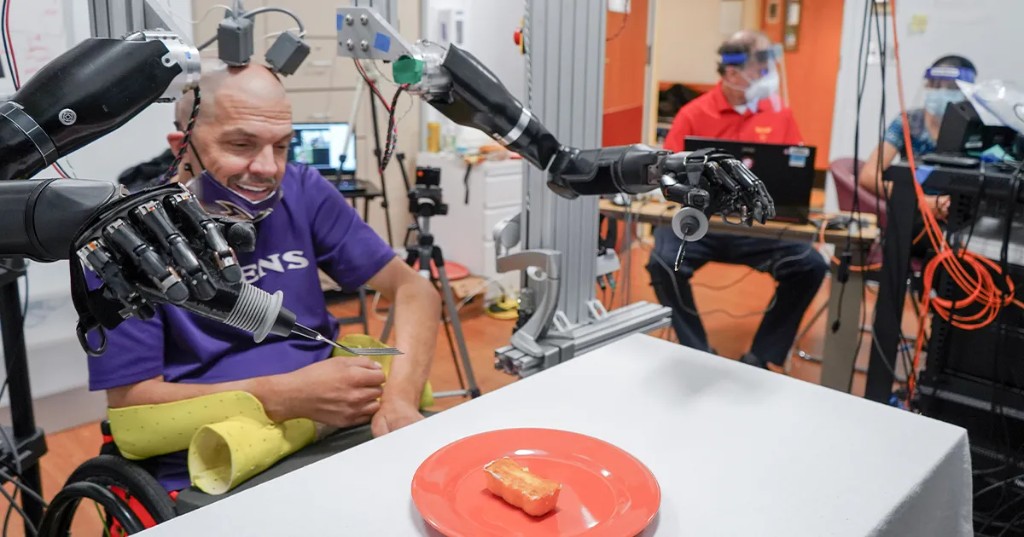
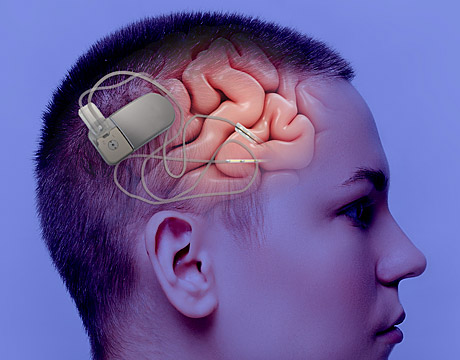
VERITY calibrates from a few seconds of unlabeled neural activity, so an implant becomes a product used at home, not a lab demo that needs daily supervision. Wake up and use it: no morning recalibration ritual. That is the path from clinic experiment to a shelf at Best Buy.
Cut the daily calibration payroll
Supervised BCI stacks burn clinician and engineer time each session to re-label “left” and “right.” Removing that ritual separates a research protocol from a shippable device.
Support cost collapses when the device calibrates itself.
Seconds to calibrate, not a morning session
Two seconds of unlabeled activity versus a labeling ritual before useful control. Patients, and the clinics that would staff that ritual, get time back every day.
Use it when you wake, not after the answer key is rebuilt.
From clinic experiment to consumer product
Sub-megabyte, millisecond CPU runtime keeps neural data local. That’s the path from “works with a research team in the room” to “works in a living room.”
Label-free calibration makes scale possible.
Vs. failure cost: a $50K to $100K implant plus GPU and daily staff stays a clinic demo. The buyer isn’t buying a better decoder of yesterday’s labels. They’re buying an implant that still works after the brain drifts overnight.
VERITY NANO, seizure detection that runs on the wearable itself.
An on-device seizure-detection engine for wearable EEG and body sensors. It needs no cloud, no streaming and no phone in the loop to detect, and it alerts in real time.
Calibrates to each patient’s own normal
It calibrates to each patient’s own normal, recognizes seizures seen across other patients, and alarms only when the evidence agrees. When a sensor drops out, it reports that it can’t measure rather than guessing.
Fits the smallest wearable chips
About 43,000 operations per second, under 1 KB of per-patient settings, and low-bit integer math. That fits the smallest wearable chips, and the radio stays off until there’s an alarm, which is what makes long battery life possible.
The care team sets each patient’s tolerance
The device produces the full sensitivity and false-alarm curve. The care team sets each patient’s tolerance from the phone app, and it can be updated as the patient changes.
Results so far on SeizeIT2, a public multi-center wearable dataset.
Development results. Independent sealed confirmation is underway.
The ask: We’re looking for wearable hardware partners on a 30-day-wear device with real-time on-device detection.
Should I trust this quantum result?
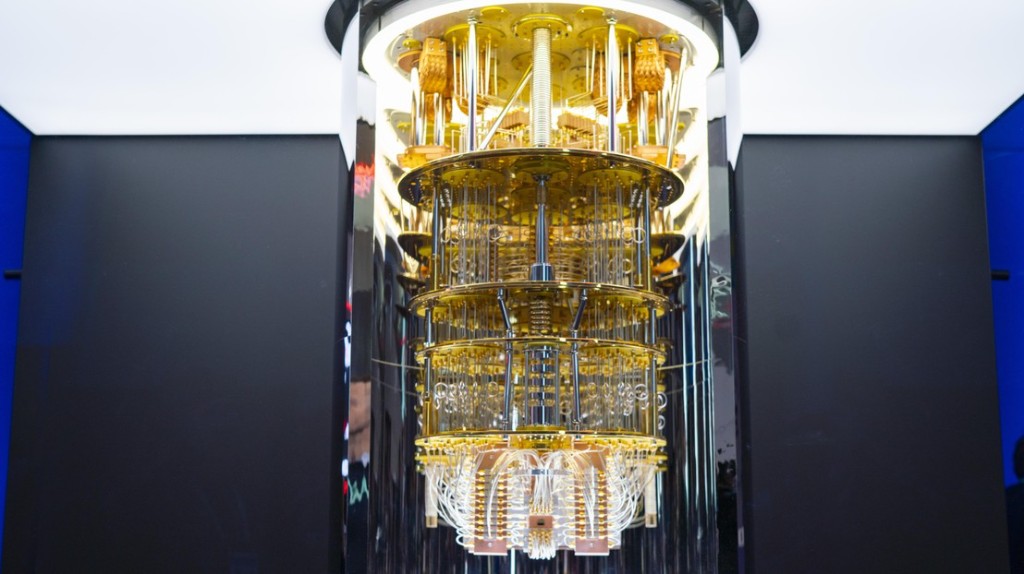
VERITY graded a 156-qubit IBM processor from a Mac Mini. No classical supercomputer required.
See strong vs weak hardware before you spend the job.
Characterize on a fraction of the shots.
Refuse when the evidence isn’t there.
Stop paying for quantum answers you cannot trust.
VERITY tells a lab, vendor, or defense buyer whether a quantum job is worth believing, before the next budget cycle burns on it.
Fewer wasted QPU hours
Characterize on tens of shots, not thousands. Skip regions that won’t certify. Budget stays on jobs that can ship a result.
Pay for trust, not optimistic noise.
Minutes to assess, not a dead end
Past ~50 qubits, “re-run it classically” stops working. A local fidelity read means no weeks lost to a path that doesn’t exist.
Decide today, not next queue batch.
Workflows that leave the lab
When an instrument can refuse as honestly as it commits, vendors can ship pipelines that today stall on “we’re not sure this is real.”
Trust becomes a feature: the layer between hardware and software.
Vs. failure cost: stop burning 1,024 to 8,192 shots at ~$96/min on faith. The buyer isn’t buying “better qubits.” They’re buying a clear go / no-go on every job.
What happens when verification fails?
IBM Cost of a Data Breach 2026: $4.99M global average, $11.5M in the US, before litigation. The tail runs far higher (Equifax reached about $1.4B). Litigation has no ceiling, and AI-polymorphic attacks rewrite themselves so signature tools never see the same “bad” twice.
Shots per circuit are standard practice, at up to ~$96/minute on pay-as-you-go QPUs. Thousands of shots for confidence, and still no go / no-go on whether this result is trustworthy.
Per implant, plus GPU servers and clinical staff to relabel every session. A decoder that cannot leave the clinic is a demonstration, not a product patients use at home.
Doesn’t catalog what bad looks like. Measures what normal looks like. Failure is expensive. The instrument runs where the failure happens.
Foundational measurement. Not an app. New industries ride on the instrument.
Failure is the expensive path. The market is who will pay to avoid it, across the three verticals already proven.
Trust per job
Hardware vendors, cloud platforms, national labs, defense.
Novel-threat fidelity
SOCs, water & power operators, defense, industrial OEMs.
Consumer-grade neural
Implant developers, clinical partners, neural interfaces.
Infrastructure economics: tiny runtime, huge value-to-price.
Funded validation with domain labs, hardware teams, and strategic partners.
Monthly, annual, or OEM. Per-deployment, per-device, or embedded. Priced to buyer value.
More sites, devices, and workloads once the first deployment proves the instrument.
Near-zero marginal cost per deployment plus large value-to-price headroom is the financial signature of infrastructure, not services.
A new field of measurement, patent-pending protection, and cross-domain proof.
Data fidelity, a new field of measurement
Not another prediction tool. A revolutionary measurement layer: an epistemic data layer allowing a system to know what it knows. No peers, no competitors in this space with this method.
Patent-pending
USPTO filing Feb 2026. A full grant publishes the method; pending status protects means and methods while we ship. Signed provenance, license enforcement, and integrity monitoring protect shipped IP.
Cross-domain proof
- GPU Cluster Analysis
- Quantum Compute Fidelity
- Brain-Computer Interface
- Network Security / Infrastructure Monitoring
- Power Grid Synchrophasor Analysis
- Cosmic Microwave Background Radiation Filtering
- Wearable Seizure Detection
- And more domains under the same instrument
VERITY’s VSEL security architecture is the shell VERITY runs inside.
What VERITY’s VSEL security architecture provides:
Fails safe
A deployment is bound to the machine it is licensed on. If VERITY detects tampering or can no longer trust its own measurements, it stops rather than give a bad reading.
Data stays put
CPU-only and air-gapped on the customer’s own hardware. Calibrations, settings and records are encrypted at rest with keys tied to that installation, and encrypted in transit.
Auditable
Every measurement and verdict is cryptographically signed, a verifiable record of what was measured, when, and with what result.
Controlled licensing
Each customer gets a signed license checked on site. Credasis’s signing key never leaves Credasis.
Two Founders. Multiple Cross-Domain Proofs. One Instrument.

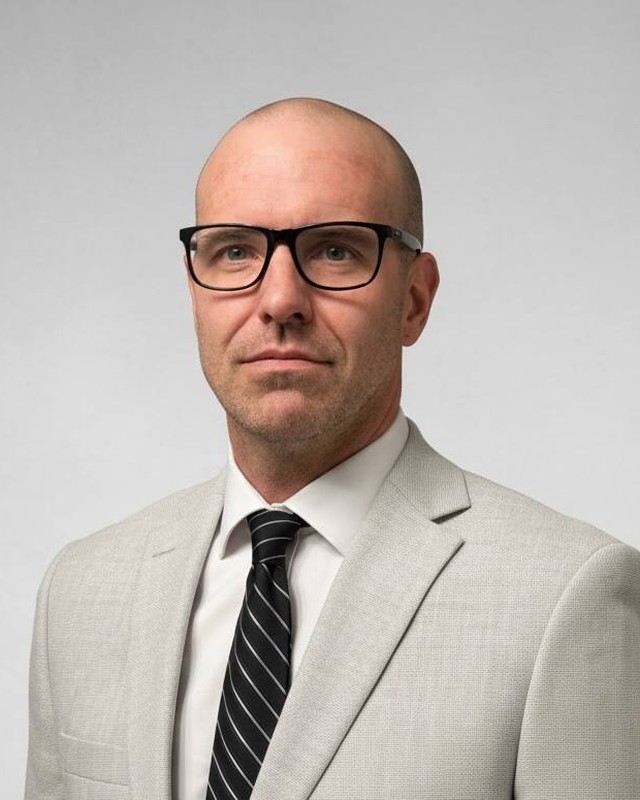
Marty Oelrich, MACo-Founder, Chief Scientist
Inventor of the core data fidelity method. Forensic credibility assessment first: 5,000+ high-stakes examinations, zero subpoenas, zero complaints. Then twelve years running Saw & Steel, his sign manufacturing company, at 4.99 stars across 2,500+ reviews. He owns the science and its reproducibility.

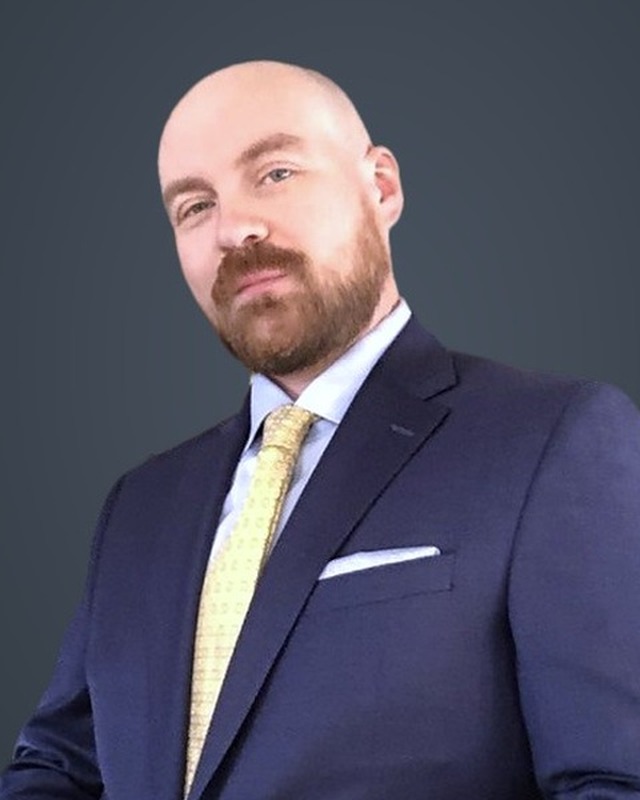
Tony MangnallCo-Founder & CEO
Launched the hit TV show Poker Night In America on CBS Sports Network and sold it to Rush Street Interactive after 14 seasons. An autodidactic systems builder who can inspire small teams to tackle big jobs. He independently reproduces the work and runs formal red-team review, while driving outreach and building the investor coalition.

Dorman BazzellBoard of Directors
North Dakota’s first Chief Data Officer, leading the state’s enterprise information management and software development programs from 2018 to 2021. Now Chief AI Officer at BISBLOX, a venture studio in Mandan, North Dakota. Before public service, more than 30 years in the private sector, including analytics practice leadership at Capgemini and Hitachi Consulting and CIO of Coin Acceptors.
Two Founders, Self-Funded, Based in Phoenix and Fargo.
Raising $5M pre-seed to turn proofs into paying logos.
First paying, nameable logo in GPU Cluster / AI defense or network security.
Next public benchmarks at the rigor of the quantum and network work: power-grid synchrophasor, industrial control, medical signal, and space / RF telemetry.
First sealed VERITY appliance shipped to a regulated buyer.
Patent prosecution on the core method, plus peer / arXiv validation already in progress.
Research / product engineer after repeatable work is scoped. Fractional counsel and finance now.
Why now: each milestone re-rates the company from IP option to strategic asset. Financing buys execution, not more invention of the instrument.
VERITY.
The fidelity layer for unlabeled decisions. Same instrument everywhere the answer key does not exist.
Marty Oelrich · marty@credasis.com
Tony Mangnall · tony@credasis.com
Technical diligence, design-partner discussions, and reproduction materials available.
Credasis · Delaware C-Corporation · Pre-seed · Patent Pending · Confidential · credasis.com